Episode 125

full
Published on:

21st Jul 2026

Can Agency Commentary Increase Your Prison Sentence?

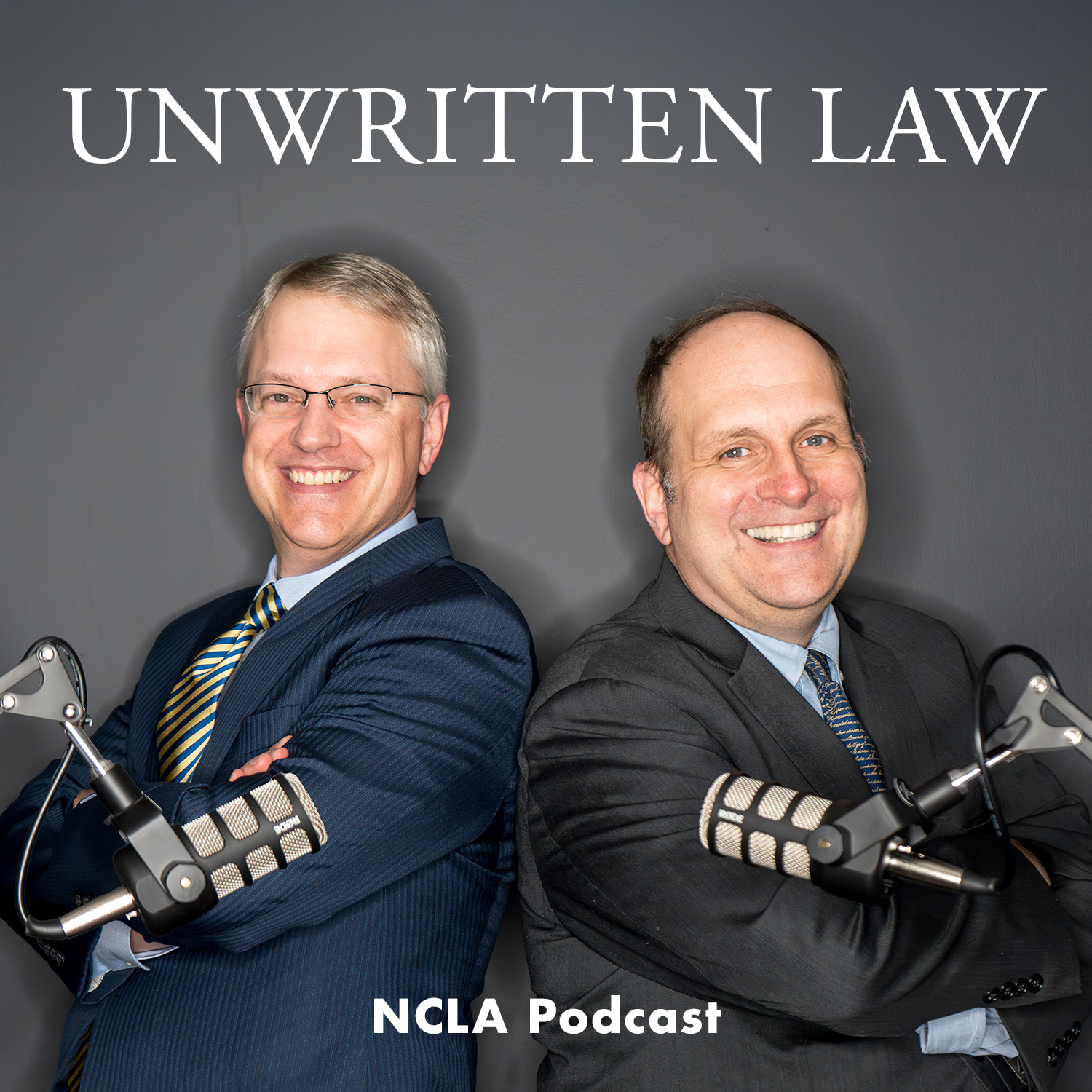
In this episode of Unwritten Law, NCLA President and Chief Legal Officer Mark Chenoweth and Senior Litigation Counsel John Vecchione are joined by Litigation Counsel Casey Norman to discuss Beaird v. United States, a Supreme Court case that could reshape federal criminal sentencing.

At issue is Stinson deference, a doctrine requiring courts to defer to the U.S. Sentencing Commission’s commentary interpreting the federal sentencing guidelines. Unlike the guidelines themselves, that commentary is never approved by Congress and never goes through notice-and-comment rulemaking—yet it can dramatically increase a defendant’s prison sentence.

Casey explains why the case follows naturally from the Supreme Court’s recent decisions limiting administrative deference, including Kisor v. Wilkie and Loper Bright. The discussion explores why courts—not agencies—have the constitutional duty to interpret the law, why due process requires fair notice before liberty is taken away, and why the rule of lenity weighs against expanding criminal punishment through agency interpretation.

Mark, John, and Casey also examine Article III, judicial independence, and why Beaird could become the Court’s next major administrative law decision.
Listen for free

Show artwork for Unwritten Law

About the Podcast

Unwritten Law
How Government Power Shapes Your Rights
Every day, unelected federal agencies make decisions that affect your job, your business, your speech, your property, and your constitutional rights—often without Congress ever voting on them. From the rules that govern small businesses to the regulations that shape everyday life, the modern administrative state reaches further than most Americans realize.

On Unwritten Law, constitutional lawyers Mark Chenoweth and John Vecchione break down the biggest legal battles involving federal agencies, government overreach, and the Constitution. Each episode explores real cases challenging the expanding power of the administrative state, explaining how these disputes affect ordinary Americans, businesses, and the future of limited government.

Whether the topic is the Supreme Court, free speech, property rights, due process, jury trials, executive power, or the separation of powers, Unwritten Law explains the legal issues behind today's biggest constitutional debates in clear, accessible language. You'll hear directly from the attorneys litigating landmark cases, as well as clients whose lives and livelihoods have been changed by unlawful government action.

Produced by the New Civil Liberties Alliance (NCLA), Unwritten Law takes listeners behind the headlines to explain how federal agencies exercise regulatory power, how constitutional challenges move through the courts, and why these cases matter—even if you've never stepped inside a courtroom.

If you've ever wondered who really writes the rules that govern your life, why unelected bureaucrats hold so much authority, or how the Constitution protects individual liberty, Unwritten Law will give you the context, the legal insight, and the real-world stories behind today's most important fights for civil liberties.

Whether you're a lawyer, business owner, public servant, student, or simply someone who wants to better understand how government power affects everyday life, Unwritten Law gives you the legal insight behind the headlines—and the constitutional principles that protect individual liberty.

Subscribe each week for conversations about Supreme Court litigation, constitutional law, the administrative state, federal agencies, government accountability, civil liberties, free speech, property rights, due process, separation of powers, regulatory power, and the legal battles shaping the future of American government.

About your host

Profile picture for New Civil Liberties Alliance

New Civil Liberties Alliance

For over a century, unlawful administrative power has gradually displaced the Constitution’s avenues for lawmaking and justice. Although we still enjoy the shell of our Republic, there has developed within it a very different sort of government—a type, in fact, that the Constitution was designed to prevent. The unconstitutional Administrative State is the focus of NCLA’s concern.