The Licensing Board That Ignored Due Process
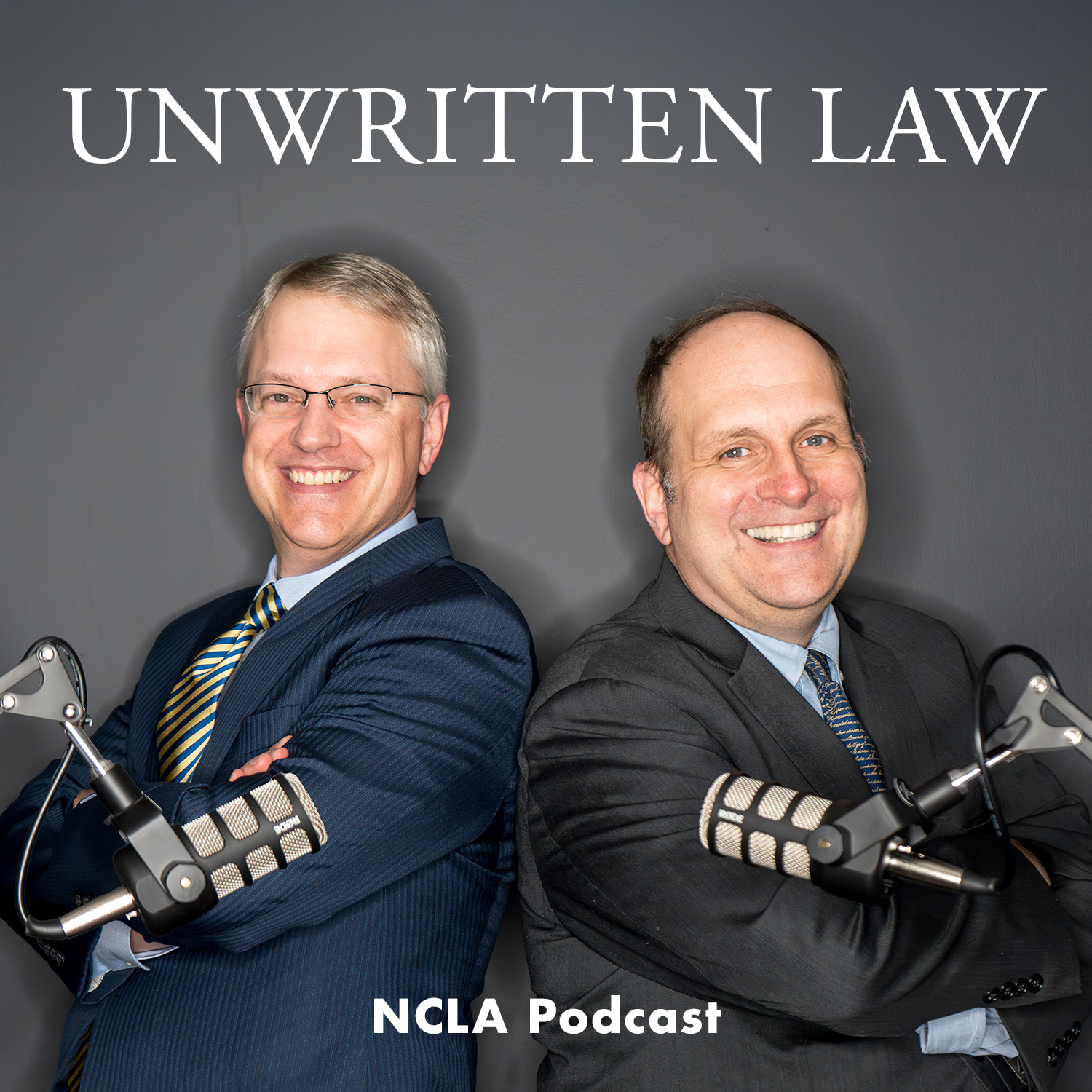
In this episode of Unwritten Law, NCLA President and Chief Legal Officer Mark Chenoweth and Senior Litigation Counsel John Vecchione are joined by Litigation Counsel Casey Norman to discuss Kurtin v. South Carolina Department of Labor, a case challenging an extraordinary series of procedural abuses by a state licensing board.
NCLA is challenging the South Carolina Real Estate Board’s unlawful sanctions against certified residential appraiser Joseph Kirton.
Casey explains how the board pursued charges based on standards it had not yet adopted, introduced new allegations during the hearing itself, relied on a substitute investigator who had no involvement in the original investigation, refused access to key documents, and claimed that statutes of limitations did not apply to its proceedings.
The discussion also explores broader constitutional issues raised by administrative licensing boards, including notice, fairness, retroactive enforcement, jury trial rights, and the danger of allowing agencies to serve as investigator, prosecutor, and adjudicator all at once.
Mark, John, and Casey examine why this case could have implications far beyond South Carolina and why professionals across the country should pay attention.