Why Is Washington Tracking Crabbers 24/7?
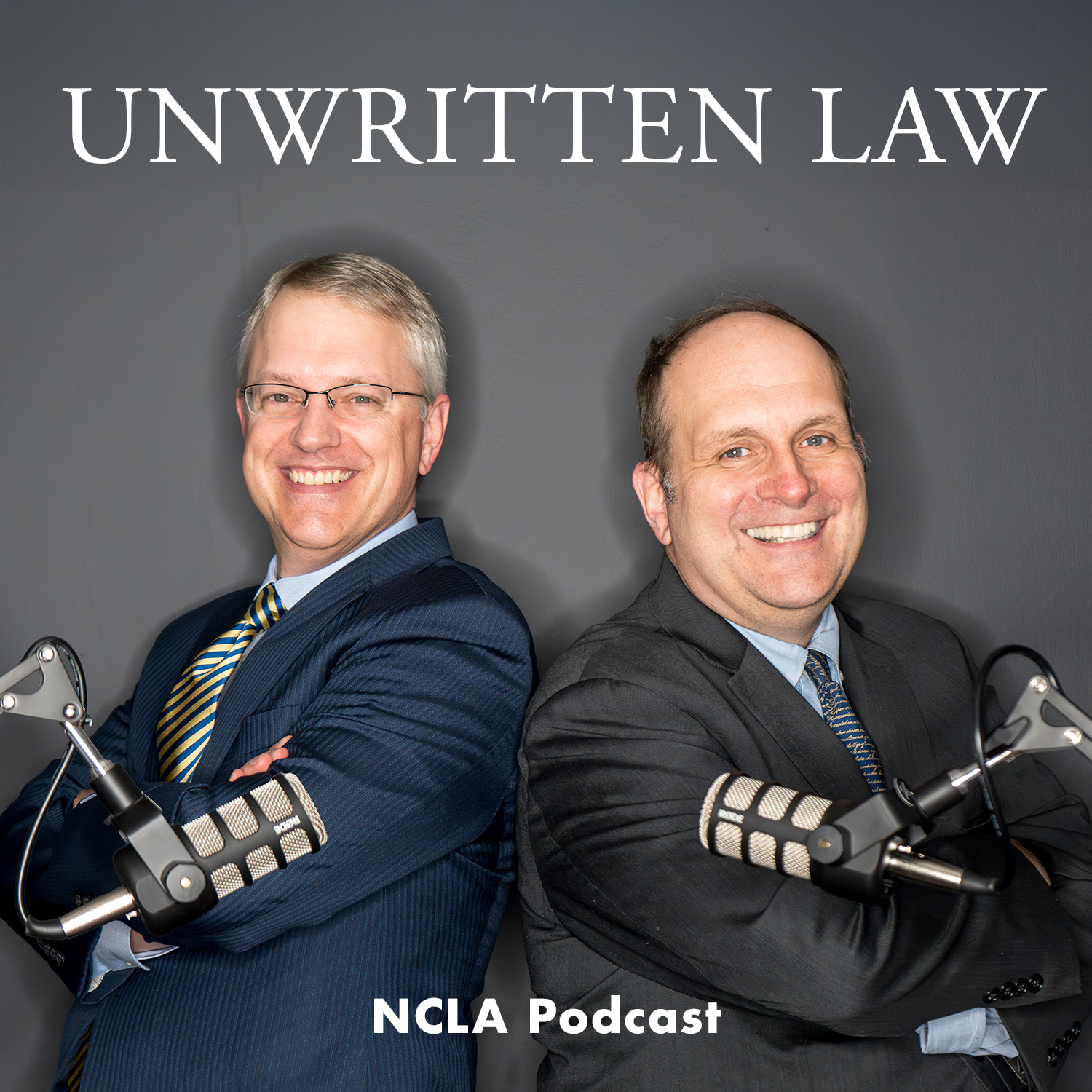
In this episode of Unwritten Law, NCLA Senior Litigation Counsel John Vecchione is joined by NCLA General Counsel Zhonette Brown to discuss Franey v. Washington Department of Fish and Wildlife, NCLA’s challenge to Washington State’s warrantless surveillance of commercial crabbers.
Washington requires commercial crabbers to install government-mandated tracking equipment on their boats. Once crab pots are placed in the water, the government tracks the vessel continuously—every minute—even when the crabbers are back at port or using their boats for activities completely unrelated to fishing. The resulting location information is stored in a government database.
John and Zhonette explain why NCLA argues this surveillance violates the Fourth Amendment and Washington State Constitution’s protections against unreasonable searches. They also discuss NCLA’s takings claims, the state’s requirement that crabbers place tracking equipment on their private property, and why the Washington Department of Fish and Wildlife lacks statutory authority to impose the mandate.
The episode also examines the broader implications of cheap, persistent electronic surveillance. As technology makes it easier for government to track people continuously and store that information indefinitely, John and Zhonette discuss why constitutional protections for privacy become more—not less—important.
NCLA has moved for summary judgment and is seeking to stop Washington from enforcing the tracking requirement against its clients.